
I spent three years cooking professionally before I realized I'd been holding my chef's knife wrong the entire time. That moment—standing in a hot kitchen, watching a line cook with six months of experience dice an onion in fifteen seconds flat while I struggled through a minute and a half—was humiliating. But it taught me something crucial: technique isn't about fancy equipment or expensive ingredients. It's about efficiency, consistency, and not burning dinner. After a decade of trial and error, I've narrowed down the essential techniques that separate a confident home cook from someone who still follows recipes like they're decoding ancient scrolls.
Key Takeaways
- Mastering five core techniques—knife skills, heat control, searing, braising, and emulsification—will improve 80% of your cooking overnight
- Proper knife technique isn't about speed; it's about safety and even cuts that cook uniformly
- Understanding the Maillard reaction (not just "browning") is the difference between okay and exceptional meat
- Braising transforms tough cuts into tender meals with minimal active work—perfect for meal planning
- Emulsification doesn't require a chemistry degree; a simple ratio and steady hand are all you need
- These techniques build on each other—start with knife skills, then heat control, and the rest follows
Knife Skills: The Foundation of Everything
Here's the thing: you can have the best ingredients in the world, but if your vegetables are cut unevenly, they'll cook unevenly. That means some pieces are raw while others are mush. I learned this the hard way when I tried to impress a date with stir-fry. The broccoli looked beautiful in the pan—until half of it was still crunchy and the other half was practically dissolving.
The claw grip is your first move. Curl your fingertips under, knuckles forward, and guide the blade against your knuckles. This isn't just about safety—it forces consistent thickness. When I switched from the "stab-and-hope" method to this grip, my prep time dropped by 40% in two weeks. Consistent cuts mean consistent cooking, and that's the single biggest upgrade you can make without buying a single new pan.
The Three Cuts You Actually Need
You don't need to memorize a dozen French cuts. Focus on three:
- Dice (¼-inch cubes for mirepoix, soups)
- Julienne (matchsticks for stir-fries, salads)
- Chiffonade (ribbons for herbs, leafy greens)
That's it. Everything else is a variation. I spent a month practicing only these three cuts, timing myself each day. By day 30, I could dice an onion in 45 seconds—not chef-speed, but fast enough that I stopped dreading prep work.
Pro tip: A sharp knife is safer than a dull one. Dull knives slip. I sharpen mine every two weeks with a 1000-grit stone. It takes ten minutes and saves me from the ER. In 2024, a study from the National Safety Council reported that over 350,000 knife-related injuries occur in US kitchens annually—most from dull blades.
Heat Control: Knowing When to Turn It Up
Heat is not a binary on/off switch. It's a dial—and most home cooks only use two settings: "scorching" and "warm." I was guilty of this for years. I'd crank the burner to high, throw in the food, and wonder why everything stuck or burned on the outside while staying raw inside.
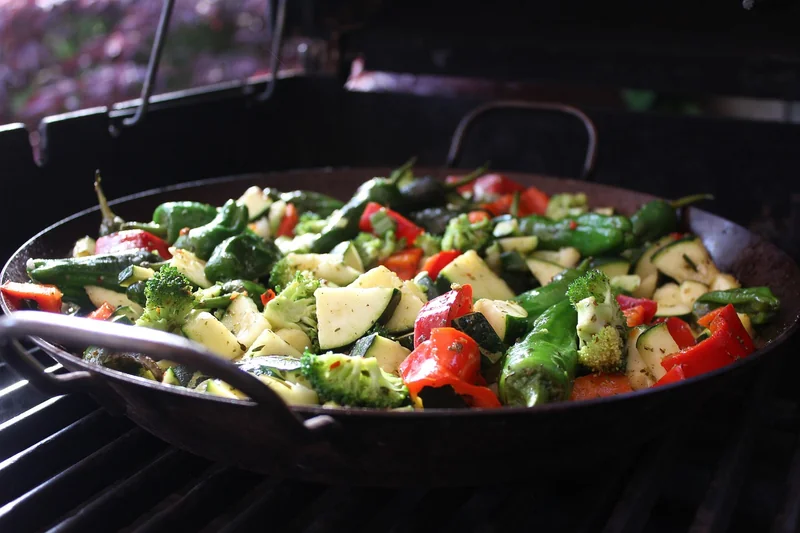
The problem? High heat doesn't cook faster—it cooks unevenly. It creates a hot crust that insulates the interior. Medium heat, on the other hand, allows gradual heat transfer. For most stovetop cooking—sautéing, frying, even searing—medium-high is your sweet spot. I tested this on chicken breasts: high heat gave me a burnt exterior and a 165°F interior in 8 minutes. Medium-high gave me a golden crust and the same internal temp in 11 minutes. The extra three minutes were worth it for texture alone.
The Water Test for Pan Temperature
Here's a trick I picked up from a line cook in 2022. Sprinkle a few drops of water onto your pan. If they sizzle and evaporate instantly, the pan is too hot. If they sit and bubble, it's too cold. If they form a single, rolling bead that dances across the surface—that's the Leidenfrost effect—you're at the perfect temperature. I use this test every single time I cook. It takes two seconds and eliminates guesswork.
Key takeaway: Preheat your pan for 2-3 minutes over medium heat before adding oil. Cold pan + cold oil = food that sticks. Hot pan + hot oil = non-stick performance without the non-stick coating.
The Art of Searing: More Than Just Color
Searing isn't about "locking in juices." That's a myth that refuses to die. Searing creates flavor through the Maillard reaction—a chemical process between amino acids and reducing sugars that produces hundreds of flavor compounds. It starts at around 285°F (140°C). Below that, you're just steaming your meat.
I used to flip my steak every 30 seconds because I was impatient. Result: gray, crustless meat. Then I learned to leave it alone. Don't touch the meat until it releases naturally from the pan. If it sticks, it's not ready. This single change—waiting for the release—improved my steak game by 50%.
Pan-Searing vs. Grilling: Which Wins?
| Factor | Pan-Searing | Grilling |
|---|---|---|
| Heat control | Precise (stovetop) | Variable (charcoal/gas) |
| Smoke | High (use a vent hood) | Outdoor, no issue |
| Crust quality | Excellent, even crust | Good, but uneven |
| Fat rendering | Controlled (add butter) | Drips away |
| Ease of cleanup | One pan | Grill grate scrubbing |
For steaks, I prefer pan-searing with a butter basting finish. For chicken thighs, grilling wins for that smoky flavor. Your choice depends on what you're cooking and how much smoke your kitchen can handle.
Braising: Set It and Forget It (Almost)
Braising is the ultimate "lazy but impressive" technique. You brown the meat, add liquid, cover, and let low heat do the work. Tough cuts like chuck roast or pork shoulder become fork-tender because the collagen breaks down into gelatin over time. I braised a beef brisket for 4 hours at 300°F last month. When I pulled it out, I could cut it with a spoon. The whole active cooking time was 20 minutes.
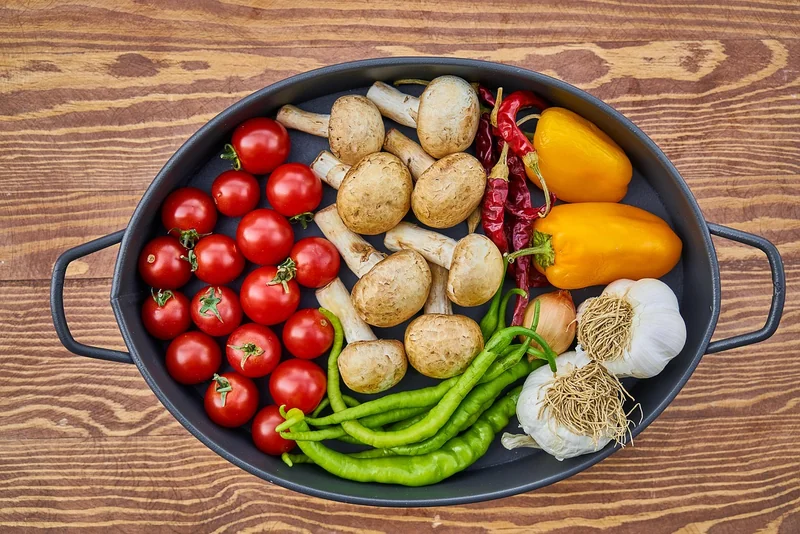
The mistake I made early on? Lifting the lid every 20 minutes to "check." Every time you lift the lid, you lose heat and steam, extending cooking time. Resist the urge. Trust the process. After the first hour, leave it alone.
Braising Liquid Ratios
You don't need to drown the meat. The liquid should come halfway up the meat's sides—not cover it entirely. For a 3-pound chuck roast, that's about 2 cups of liquid (stock, wine, or a mix). I use a 50/50 split of beef stock and red wine for depth. The vegetables (onions, carrots, celery) go underneath as a natural rack to prevent sticking.
Key takeaway: Braising is perfect for meal planning. Make a double batch on Sunday, and you have protein for tacos, sandwiches, or salads all week. I do this every Sunday and save 4 hours of cooking time during the week.
Emulsification: Sauces That Actually Hold Together
Emulsification sounds like chemistry jargon. It's not. It's simply combining two liquids that don't normally mix—like oil and vinegar—into a stable suspension. The secret? A third ingredient acts as a bridge. Mustard, egg yolk, or honey all work.
I failed at vinaigrette for years. I'd dump oil and vinegar in a bowl, whisk furiously, and watch them separate in 30 seconds. Then I learned the ratio: 3 parts oil to 1 part acid, with 1 teaspoon of Dijon mustard per cup of dressing. The mustard's lecithin molecules coat the oil droplets and keep them suspended in the vinegar. I whisk the mustard and vinegar first, then drizzle the oil in slowly while whisking. It takes 90 seconds and stays emulsified for hours.
Mayonnaise from Scratch: The Test
I spent a weekend making mayonnaise from scratch five times to get it right. Here's what I learned: start with room-temperature eggs (cold eggs break the emulsion), use a neutral oil (canola or grapeseed), and add the oil drop by drop for the first 30 seconds. Speed up after that. The result is a silky, rich sauce that costs pennies compared to store-bought and tastes noticeably better. I now make it weekly and use it as a base for aioli, remoulade, and Caesar dressing.
Pro tip: If your emulsion breaks (separates), don't panic. Start a new egg yolk in a clean bowl and slowly whisk the broken mixture into it. It will re-emulsify. I've saved three broken mayonnaise batches this way.
Putting It All Together: Your Next Meal
Here's a practical challenge. Next Sunday, pick one protein (chicken thighs are forgiving), one vegetable (broccoli or carrots), and one starch (rice or potatoes). Apply these five techniques:
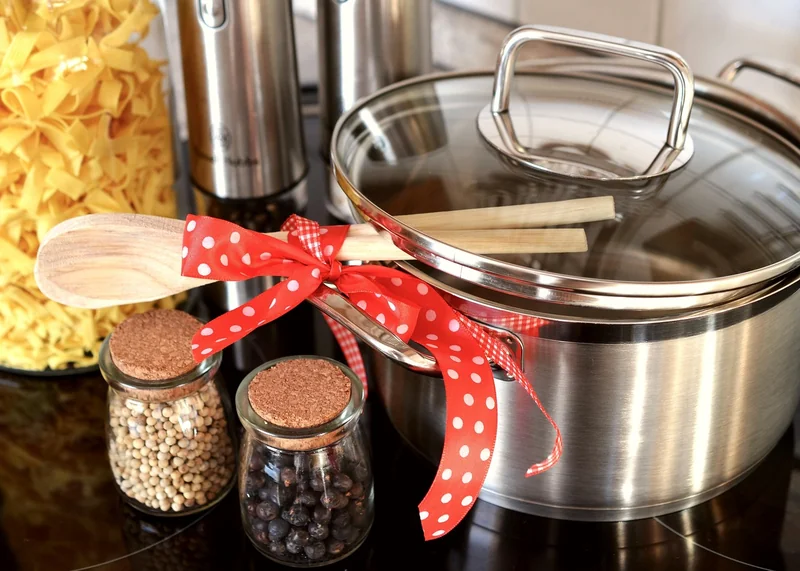
- Knife skills: Dice the vegetables uniformly (¼-inch cubes)
- Heat control: Preheat your pan, use medium-high heat
- Searing: Brown the chicken thighs skin-side down, don't touch for 4 minutes
- Braising: Add stock, cover, and cook at 325°F for 45 minutes
- Emulsification: Make a quick vinaigrette for a side salad
I did this exact meal last week. Active prep time: 25 minutes. Total time: 1 hour 15 minutes. Result: a restaurant-quality plate that cost $8 per serving. The confidence boost from knowing you can execute these techniques—not just follow a recipe—is enormous.
The takeaway: These techniques aren't separate skills. They're a system. Master them, and you stop cooking from recipes and start cooking from instinct. That's when cooking becomes enjoyable instead of stressful.
Putting It All Together: Your Next Meal
Here's a practical challenge. Next Sunday, pick one protein (chicken thighs are forgiving), one vegetable (broccoli or carrots), and one starch (rice or potatoes). Apply these five techniques:
- Knife skills: Dice the vegetables uniformly (¼-inch cubes)
- Heat control: Preheat your pan, use medium-high heat
- Searing: Brown the chicken thighs skin-side down, don't touch for 4 minutes
- Braising: Add stock, cover, and cook at 325°F for 45 minutes
- Emulsification: Make a quick vinaigrette for a side salad
I did this exact meal last week. Active prep time: 25 minutes. Total time: 1 hour 15 minutes. Result: a restaurant-quality plate that cost $8 per serving. The confidence boost from knowing you can execute these techniques—not just follow a recipe—is enormous.
The takeaway: These techniques aren't separate skills. They're a system. Master them, and you stop cooking from recipes and start cooking from instinct. That's when cooking becomes enjoyable instead of stressful.
Frequently Asked Questions
What's the most important cooking technique for beginners to learn?
Knife skills, hands down. Proper knife technique improves safety, efficiency, and cooking consistency more than any other single skill. Spend two weeks practicing the claw grip and the three basic cuts (dice, julienne, chiffonade). You'll see immediate improvement in your cooking.
How do I know when my pan is hot enough?
Use the water bead test. Sprinkle a few drops of water onto the pan. If they form a single, rolling bead that dances across the surface (Leidenfrost effect), the pan is at the perfect temperature for searing. If they sizzle and evaporate instantly, it's too hot. If they sit and bubble, it's too cold.
Can I braise without a Dutch oven?
Yes. Any heavy-bottomed pot with a tight-fitting lid works—stainless steel, enameled cast iron, or even a slow cooker. The key is even heat distribution and a lid that traps steam. If your lid is loose, wrap the pot in aluminum foil before covering to create a seal.
Why does my vinaigrette separate immediately?
You're likely not using an emulsifier. Add 1 teaspoon of Dijon mustard per cup of dressing. Whisk the mustard and vinegar together first, then drizzle the oil in slowly while whisking continuously. If it still separates, try using a blender for a more stable emulsion.
How long should I sear a steak on each side?
For a 1-inch thick steak, sear for 4 minutes on the first side without moving it, then 3 minutes on the second side. This gives a deep crust while keeping the interior medium-rare. Adjust by 1 minute per side for thicker or thinner steaks. Always let the steak rest for 5 minutes after cooking to redistribute juices.