

I’ll admit it: I stared at my own trash can for a full week before I did anything about it. Not the bin under the sink—the big one, the one that goes out to the curb. The volume of plastic in there was staggering. Wrappers from cheese, the film on a cucumber, the bag that held the bag of salad. It felt hopeless, like I was fighting a system designed to make me lose.
But here’s the thing I learned after months of trial and error: the goal isn’t a zero-plastic kitchen. That’s a fantasy. The goal is to cut your plastic waste by a meaningful amount—say, 70% or 80%—without losing your mind or your budget. And that’s totally doable. It just requires you to think about the problem differently.
The biggest mistake I made early on was buying a bunch of "eco-friendly" products that didn't actually replace anything. I bought a bamboo utensil set while my plastic spatulas stayed in the drawer. Useless. I bought glass containers while my stack of plastic tupperware sat in the cabinet, unused. Also useless. The real technique isn't about what you buy; it's about what you stop buying.
Let’s get into the practical, messy, and sometimes frustrating reality of de-plasticizing your kitchen.
Key Takeaways
- Focus on eliminating single-use plastics first; they account for the bulk of kitchen waste by volume.
- Prioritize the "Big Three" swaps: bags, wraps, and storage. They yield the fastest visible reduction in waste.
- Your cookware and utensils also matter—heat and friction can release microplastics into your food.
- Implement a gradual "descent" plan so you don't waste money replacing items that are still functional.
- Composting your organic waste drastically reduces the need for plastic garbage bags.
The 15-Minute Plastic Audit You Need to Do First
Before you buy a single glass jar, you need to see where the plastic is actually coming from. Sit down with your trash can (yes, really) and sort the plastic from everything else. Don’t clean it. Just look at it.
You’ll likely find three categories:
- Packaging waste: The films, clamshells, and wrappers that come with your food.
- Reusable items that broke down: Old cutting boards, melted spatulas, cracked containers.
- Disposable helpers: Garbage bags, sandwich baggies, cling wrap.
How to Prioritize: The "Big Three" Swaps That Actually Work
You will read a thousand blog posts telling you to buy silicone stretch lids, beeswax wraps, and mesh produce bags. And those are fine. But if you want the biggest bang for your buck, focus on these three categories first. They represent the highest volume of plastic in most households.
Swap #1: The Sandwich and Freezer Baggie
This is the lowest-hanging fruit. I used to go through a box of gallon-sized freezer bags a month. Then I switched to silicone Stasher bags. Look, they are expensive—around $12 to $15 each. But I bought four of them in 2024, and they are still in perfect condition in 2026. That’s two years of use for the price of about twelve boxes of Ziplocs.
The catch? They don't stand up as well when empty. But for marinating chicken, storing leftovers, or freezing soup flat, they are unbeatable. I even use them to sous-vide. They are a workhorse.
Swap #2: The Cling Wrap and Aluminum Foil
Cling wrap is a menace. It’s thin, it breaks, and it can’t be recycled. I stopped buying it cold turkey three years ago. My replacement? A plate. That sounds dumb, but it works. If I have a bowl of leftovers, I put a plate on top. If I have half an onion, I put it in a small glass ramekin with a lid.
For things that need a tight seal, I use beeswax wraps, but honestly, I only use them for cheese and for covering dough while it rises. The real MVP here is a simple set of glass mixing bowls with airtight lids. They replace cling film entirely for most purposes.
Swap #3: The Plastic Tupperware Graveyard
We all have that cabinet. The one with mismatched lids and stained containers. I threw mine out. All of it. I replaced them with a 10-piece set of glass meal-prep containers. Here’s what I learned: glass is heavy, and it makes your grocery bag heavier. That’s a real downside.
But the upside? No stains, no smells, and you can see what’s inside without opening the lid (which means less food waste). Plus, you can microwave them without worrying about BPA or phthalates leaching into your lunch. The initial cost stings—about $40 for a good set—but these will outlive you. Plastic containers crack and warp within two years; glass lasts decades.
The Cooking Problem No One Talks About: Heat and Friction
This is the information gain part. Most articles focus on storage and packaging. They completely ignore the fact that we are cooking with plastic.
I have a confession to make. I used to own a non-stick pan. You know, the black ones with the grey coating. After about a year, the coating started to flake off. I didn't think much of it until I read that those flakes are a type of polymer, and that the pan is shedding microplastics into my food every time I use a metal spatula on it.
That freaked me out.
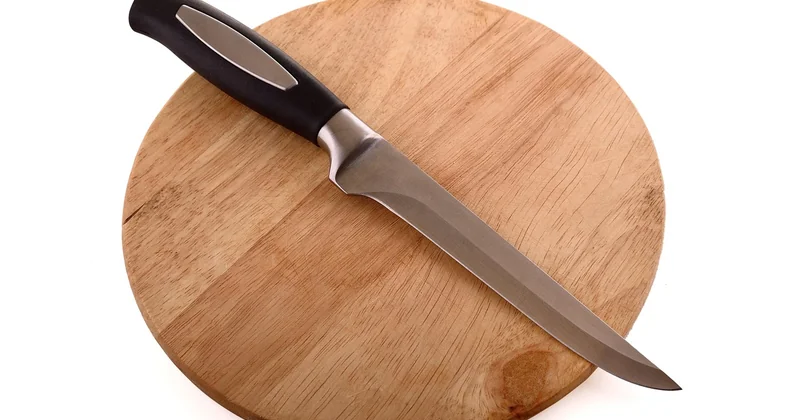
I did some research on my own, and here’s what I found: heat and friction are the two accelerants for plastic breakdown in the kitchen. That means your plastic cutting board (covered in knife scars) and your nylon spatula (melting slightly on the pan edge) are actively shedding particles into your meals.
So, I made a change. I bought:
- A cast-iron skillet (about $20) and a stainless steel pan (about $30).
- A wooden cutting board (about $15).
- A set of stainless steel and wooden utensils (about $10).
That was a total of $75 spent over two months. It wasn't cheap, but consider this: I was previously buying a new non-stick pan every 12 months because the coating wore out. That's $30 a year on plastic-filled cookware. My cast-iron pan will last for generations if I don't drop it. The math works out in my favor by year two.
How to Eliminate Plastic Without Spending a Dime
Here’s the part where I tell you to stop buying stuff. You do not need a $30 compost bin, a $40 set of glass jars, or a $25 mesh produce bag set. You have these things already. They are called "mason jars" and "the containers your takeout came in."
- Stop buying trash bags. This sounds radical, but it works. I now take my kitchen garbage (which is mostly non-organic waste) and put it directly into the small bin, then dump that bin into the big outdoor can. No liner. At the end of the week, I spray the bin with a vinegar-water mix and wipe it out. It takes 30 seconds. This eliminated 52 plastic garbage bags a year from my waste stream.
- Repurpose glass jars. Pasta sauce jars, pickle jars, jam jars—they all become my storage containers for grains, nuts, and leftovers. The only thing I bought was a box of mason jar lids that fit the standard mouth size, so I didn't have to deal with the flimsy lids that rust.
- Use produce bags you already own. Don't buy mesh bags. Use the thin cotton laundry bags you have lying around, or just skip the bag entirely. Loose produce doesn't need a bag; you wash it at home anyway.
Key Takeaways: The Downshift Protocol
- Week 1: Stop buying cling wrap and sandwich baggies. Use plates and reusable containers you already own.
- Month 1: When you run out of trash bags, don't buy more. Start taking the bin out directly.
- Month 2: When your non-stick pan scratches, replace it with cast iron or stainless steel. Don't buy a new non-stick one.
- Month 3: Audit your grocery purchases. Swap two items you buy in plastic for the loose or bulk version.
The Bulk Shopping Myth: It’s Not What You Think
People love to preach about bulk bins. I get it. They look great on Instagram. But here’s the reality: you should not buy staples like flour, sugar, or rice in bulk if you are a single person or a couple. Why? Because it goes stale, and then you throw it away—and the food waste is worse for the environment than the plastic wrapper was.

The Compost Connection: Reducing Plastic Garbage Bags
The biggest source of stinky trash that forces you to use plastic bags is organic waste. If you compost your food scraps, your garbage becomes mostly dry, inert, and non-smelly—which means you don't need a bag for it.
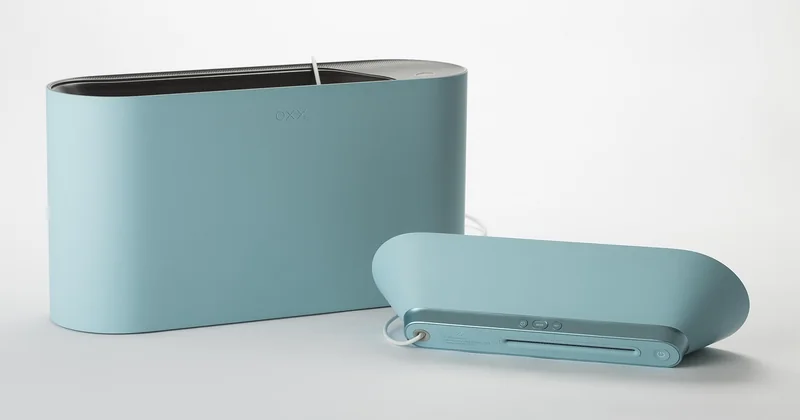
I read about a guy who kept a small metal bucket with a lid on his counter and just dumped the scraps into his backyard pile twice a week. I copied that. The result?
- My kitchen trash volume dropped by about 40% because the wet stuff (peels, cores, coffee grounds) no longer went into the bin.
- I stopped buying garbage bags entirely for the kitchen (I still use them for the bathroom, but that’s it).
- I got free, amazing soil for my houseplants and garden.
If you don't have a yard, look into a countertop compost service or a worm bin. A worm bin (vermicomposting) is surprisingly odorless if you do it right, and it can live in a cabinet. This was a game-changer for me.
The Hidden Sources of Plastic You Forgot About
You’ve cleaned out your drawers, swapped your pans, and fixed your grocery list. But there are a few sneaky sources you might have missed. I missed them for a full year.
- The paper coffee filter: It’s bleached and processed, but look at the box—it's usually wrapped in plastic. The bigger issue is the foil bag the coffee beans come in. I now buy beans from a local roaster who refills my glass jar.
- Tea bags: Many commercial tea bags are sealed with polypropylene, a plastic. And it’s not just the string. The bag itself contains plastic to hold its shape. Switch to loose-leaf tea with a stainless steel infuser. It tastes better anyway.
- Kitchen sponges: The classic yellow-green sponge is made of polyurethane, a type of plastic. When it degrades, it sheds microfibers onto your dishes. I switched to cellulose sponges (which are compostable) and a wooden dish brush with replaceable heads. The brush lasts for years; the heads cost about $3.
What This Actually Costs and Saves You
Let’s talk about the elephant in the room: money. People think "eco-friendly" is synonymous with "expensive." I calculated my spending over the first year of my downshift.
- Money spent on new items: $145 (Stasher bags, glass containers, cast iron pan, wooden utensils).
- Money saved on single-use items: Approximately $180 (I stopped buying baggies, foil, cling wrap, trash bags, and replacement non-stick pans).
The wallet does not suffer. The kitchen looks better. And I sleep better knowing my food isn't cooked on a bed of shedding polymer.
Frequently Asked Questions
How to remove microplastics from your body naturally?
You can’t "detox" microplastics out of your body with a juice cleanse—that’s a myth. However, you can reduce your future intake by filtering your drinking water (a simple carbon filter with a solid block core catches more particles than a pitcher filter), and by avoiding heating food in plastic containers. Your body naturally passes some particles, but the heavy hitters are the ones that accumulate in tissues. The best "removal" is prevention: stop putting them in your mouth in the first place by using glass and stainless steel for cooking and storage.
Microplastics are everywhere—here’s how to avoid eating them
The biggest exposure source is often your cutting board. Every slice you make with a knife on a plastic board shaves off tiny particles that stick to your food. Switch to wood or bamboo, and you eliminate that source immediately. The second source is hot liquids in plastic cups or mugs; the heat causes the plastic to break down faster. Use ceramic or glass for hot beverages.
How to eliminate plastic from your life?
You can't. It’s in your car, your paint, your clothing, and even your gum. What you can do is eliminate it from the points of highest exposure—the kitchen, and the bathroom. Focus on the "touch and taste" items: food, drink, and personal care products. That’s where the health risk is and where you have the most control. Don't stress about the rest; it's structural.
The Sticky Note on the Fridge
When I started this process three years ago, I thought the goal was to have a beautiful, minimalist kitchen that looked like a Pinterest board. I was wrong. The goal is to build a system that doesn't rely on a constant stream of disposable plastic. It’s not about looking perfect; it’s about being functional.
My system isn't perfect. I still buy the occasional bag of chips. I still have a plastic spatula for my air fryer (it’s the only one that doesn't scratch the basket). But I've cut my kitchen plastic waste by roughly 75% based on the volume of my trash can. And I did it without throwing away anything that still worked—I just waited for the plastic to wear out, and then I replaced it with something better.
So, here’s my final thought: Don't panic. Don't buy a $200 starter kit. Just look at your trash can, pick one swap, and do it until the plastic runs out. That’s it. That’s the whole secret.


