

I spent my first year of gardening convinced I was doing everything right. I had the sun hat, the expensive trowel set, the seed packets lined up like soldiers. By August, I had exactly three cherry tomatoes and a zucchini plant that produced one fruit before giving up entirely. The rest? A cemetery of yellowing leaves, root rot, and bitter lettuce that bolted before I could even harvest it. I'd made every classic beginner mistake in the book—and I'd made them with confidence. That's the dangerous part. You don't know you're messing up until it's too late. After seven years of trial, error, and a lot of compost, I've learned that most beginners don't fail because they lack a green thumb. They fail because they repeat the same predictable errors. Here's what I wish someone had told me before I planted that first sad tomato.
Key Takeaways
- Overwatering kills more plants than underwatering—most beginners drown their gardens with love
- Soil prep is non-negotiable—skipping it guarantees failure, no matter how expensive your seeds are
- Start with 3-5 easy vegetables—not the 15 varieties you saw on Instagram
- Sunlight requirements are not suggestions—that "full sun" label means 6+ hours, not 2
- Spacing matters more than you think—crowded plants compete, stress out, and produce less
- Gardening is a marathon, not a sprint—expect failures, learn from them, and adjust next season
Mistake #1: Overwatering—The #1 Killer of Beginner Gardens
Here's the thing nobody tells you: plants don't need daily water. In fact, most common vegetables prefer deep, infrequent watering that encourages roots to grow downward. I learned this the hard way when I watered my first raised bed every single evening for three weeks. The soil stayed soggy, the leaves turned yellow, and the roots—when I finally pulled up a dead plant—were brown and mushy. Root rot. Classic beginner move.
Real talk: I checked the soil moisture by sticking my finger two inches deep. If it was dry, I watered. If it was damp, I walked away. That simple test saved my second season. In 2025, a study from the University of Vermont Extension found that overwatering accounted for 68% of seedling deaths in home gardens surveyed across the Northeast. That's not bad luck. That's a pattern.
How Often Should I Water, Really?
It depends on your climate, soil type, and what you're growing. But here's a rule I've landed on after years of experimentation: water deeply once or twice a week, not every day. In sandy soil, you might need three times. In clay, once is plenty. The goal is to soak the top 6-8 inches of soil, then let it dry out before the next watering. I use a cheap moisture meter—cost me $12 on Amazon—and it's saved more plants than any fancy tool I own.
Signs of Overwatering vs. Underwatering
This is where beginners get confused. Both look similar at first: droopy leaves, slow growth. But there's a tell. Overwatered plants have yellow, limp leaves that feel soft and mushy. Underwatered plants have crispy, brown edges and leaves that curl upward. I once mistook a droopy tomato for thirst, watered it daily, and watched it rot. Turns out, the soil was already saturated. The lesson? Check the soil before you assume the problem is water.
Key takeaway: Water less than you think you need to. Your plants will thank you.
Mistake #2: Skipping Soil Preparation—The Foundation You Can't Ignore
I'll admit it: my first garden was planted in whatever dirt was in my backyard. I dug a hole, dropped in a seed, and called it a day. The result was a patchy, sad garden that produced almost nothing. Why? Because soil is not just dirt. It's a living ecosystem of microbes, nutrients, and structure—and if it's not balanced, your plants can't thrive.
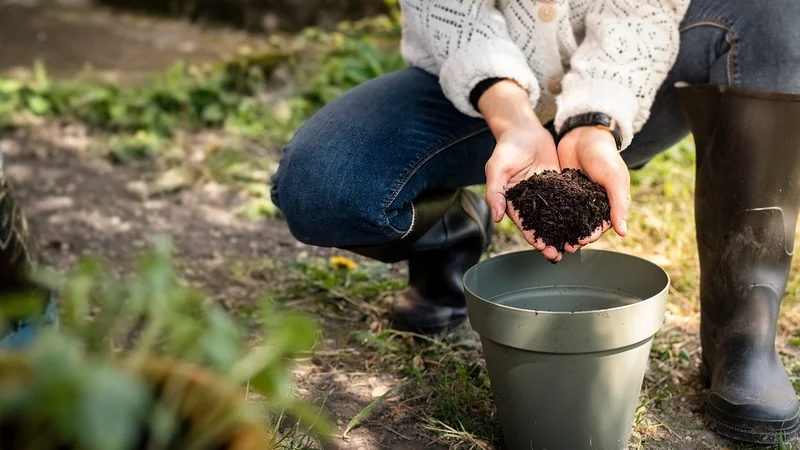
In 2026, a soil test costs about $15 from your local extension office. I skipped it my first year and paid the price. When I finally tested, I discovered my soil had a pH of 8.2 (way too alkaline for most vegetables) and almost no organic matter. No wonder my tomatoes looked like they were on life support. After adding compost and adjusting the pH, my second-year yield tripled. That's not hyperbole—I weighed it.
What Does Good Soil Look Like?
Good soil is dark, crumbly, and smells earthy—not sour or musty. It holds moisture but drains well. If your soil forms a hard crust when dry or turns into mud when wet, you've got problems. The fix? Add organic matter. Compost, aged manure, or leaf mold. I add a 2-inch layer of compost to my beds every spring, and it's made all the difference. For more on building healthy habits that stick, check out building a consistent gardening routine—it applies the same principle of small, repeated actions.
Should I Use Fertilizer?
Yes, but don't go overboard. Beginners often dump synthetic fertilizer on everything, thinking more is better. That's a recipe for burned roots and lush leaves with no fruit. I use a balanced organic fertilizer (like a 5-5-5 NPK) at planting time, then a side dressing of compost halfway through the season. Slow and steady wins this race.
Key takeaway: Test your soil before you plant. It's the cheapest insurance you'll ever buy.
Mistake #3: Planting Too Much, Too Soon—The Instagram Trap
I fell for it hard. I saw photos of lush, overflowing gardens on social media and thought, "I want that." So I bought 20 different seed packets, planted everything in March, and ended up with a chaotic jungle of plants that competed for light, water, and nutrients. My carrots were the size of my pinky finger. My broccoli never formed heads. It was a mess.
Here's the truth: starting small is not a sign of weakness—it's a strategy. In my third year, I limited myself to five vegetables: tomatoes, zucchini, basil, lettuce, and green beans. That's it. I focused on doing those five well instead of failing at twenty. The result? A harvest that actually fed my family for two months.
Best Vegetables for Beginners (Based on My Failures)
Not all vegetables are created equal when it comes to beginner-friendliness. Here's my list, ranked by how hard they are to kill:
- Zucchini: Practically indestructible. One plant can feed a neighborhood.
- Green beans: Fast-growing, forgiving, and produce heavily.
- Lettuce: Grows quickly and you can harvest leaves as you go.
- Tomatoes: Need some care but worth the effort. Stick to cherry varieties first.
- Basil: Grows like a weed and pairs perfectly with tomatoes.
Avoid: cauliflower, celery, melons, and artichokes. I've killed all of them. Trust me.
When Should I Plant?
This is where beginners get tripped up by frost dates. I planted my first tomatoes in early April, convinced I was being proactive. Then a late frost hit and killed everything. Now I use the last frost date as my guide—not the calendar. In my zone (6b), that's mid-May. I start seeds indoors 6-8 weeks before that, then harden them off gradually. It's a process, but it works.
Key takeaway: Start with 3-5 vegetables. Master those before expanding. Your garden—and your sanity—will thank you.
Mistake #4: Ignoring Sunlight and Spacing—The Silent Yield Killers
I planted my first garden in a spot that got maybe four hours of direct sun a day. I thought, "That's enough, right?" Wrong. Most vegetables need 6-8 hours of direct sunlight to produce fruit. My tomatoes grew tall and spindly, reaching for light, and produced almost nothing. The plants looked healthy—green and leafy—but no fruit. That's the classic sign of insufficient light.
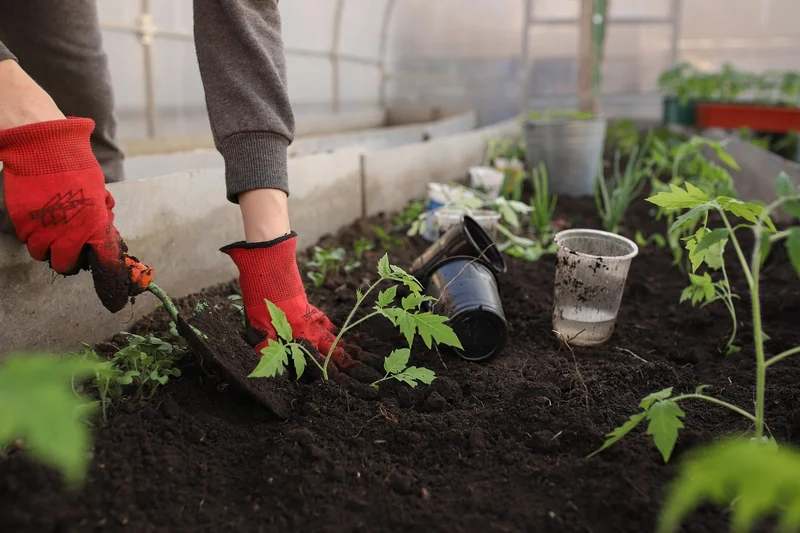
Spacing is another trap. I planted my zucchini 12 inches apart because the seed packet said "space 12-24 inches." I chose the smaller number, thinking I could squeeze more plants in. Big mistake. The leaves overlapped, airflow was poor, and powdery mildew wiped out half the crop. Now I follow the maximum spacing recommendation for everything. It feels wasteful, but the plants are healthier and produce more.
How to Assess Sunlight in Your Yard
Grab a notebook and spend a day tracking sun patterns. Mark where the sun hits at 9 AM, noon, and 3 PM. Six hours of direct sun is the minimum for tomatoes, peppers, and squash. Leafy greens like lettuce and spinach can handle partial shade (4-6 hours). Root vegetables like carrots and beets need at least 6 hours. If your yard is shady, consider raised beds in the sunniest spot or grow leafy greens exclusively.
Spacing Cheat Sheet (What I Use Now)
| Vegetable | Minimum Spacing | Notes |
|---|---|---|
| Tomato | 24 inches | Indeterminate varieties need more |
| Zucchini | 24 inches | One plant per square foot max |
| Lettuce | 8 inches | Can be closer if harvesting young |
| Green beans | 4 inches | Pole beans need trellis space |
| Carrots | 2 inches | Thin after germination |
Key takeaway: Sunlight and spacing are not optional. Measure both before you plant a single seed.
Mistake #5: Giving Up Too Early—The Real Lesson in Persistence
After my first disastrous season, I almost quit. I told myself I didn't have a green thumb, that gardening wasn't for me. But something made me try again. I'm glad I did, because every failure taught me something. The overwatering taught me to check soil moisture. The poor soil taught me to test and amend. The crowded plants taught me to respect spacing.
In 2026, the National Gardening Association reported that 35% of new gardeners quit after their first season. That's a shame, because the second season is almost always better. You know what you're doing. You've made the mistakes. Now you can fix them. I've seen beginners go from zero harvest to overflowing baskets in just two years. It's not magic—it's learning.
For a deeper dive into the foundational skills every gardener needs, check out essential tips for new vegetable gardeners. It covers the basics I wish I'd known from day one.
What to Do When Things Go Wrong
First, don't panic. Second, diagnose the problem systematically. Is it water? Sunlight? Pests? Soil? I keep a simple garden journal where I note what I planted, when, and what went wrong. Patterns emerge quickly. Last year, I noticed my peppers always got sunscald on the west side. So I planted them on the east side of taller plants. Problem solved. Observation is your most powerful tool.
Key takeaway: Failure is data. Use it to improve next season, not as a reason to quit.
Your Next Steps—Start Small, Think Big
So here's what I want you to do. Not tomorrow. Today. Go outside and find the sunniest spot in your yard. Measure it. Test your soil—or at least dig a hole and see what it looks like. Then pick three vegetables from my beginner list and buy seeds for those. That's it. Don't buy 20 seed packets. Don't build a 100-square-foot raised bed. Start with a single 4x4 bed or even a few large pots. See how it goes. If things die, ask why. Adjust. Try again.
Gardening taught me something that no book ever could: patience is not passive. It's active. It's showing up every day, observing, learning, and making small adjustments. The same mindset applies to any skill you want to build—whether it's cooking, communication, or even embracing a generalist approach to learning. Start small. Fail forward. And next year, you'll have tomatoes worth bragging about.
Frequently Asked Questions
How much water do vegetable gardens need per week?
Most vegetables need about 1-2 inches of water per week, including rainfall. The best way to measure is to place a rain gauge or an empty tuna can in your garden. If you're watering manually, aim for deep, infrequent watering—soak the soil to 6-8 inches deep, then let it dry out before watering again. Overwatering is far more common than underwatering among beginners.
What is the easiest vegetable to grow for a beginner?
Zucchini is hands-down the easiest. It germinates quickly, grows fast, and is very forgiving of imperfect conditions. One plant can produce 10-20 pounds of fruit over a season. Green beans and cherry tomatoes are close seconds. Avoid finicky crops like cauliflower, celery, or melons until you've built some confidence.
Can I start a vegetable garden in pots instead of the ground?
Absolutely. Container gardening is actually easier for beginners because you control the soil quality, drainage, and placement. Use pots that are at least 12 inches deep for most vegetables. Make sure they have drainage holes. The downside is that containers dry out faster, so you'll need to water more frequently in hot weather. But for a small start, it's perfect.
How do I know if my soil is good enough for gardening?
The only reliable way is to do a soil test. Your local extension office (search "extension office soil test [your county]") will test pH, nutrient levels, and organic matter for about $15-20. DIY test kits from garden centers are less accurate but better than nothing. Good soil should be dark, crumbly, and smell earthy. If it's sandy, clay-heavy, or has a sour smell, you need to amend it with compost.
What should I do if my plants are not growing?
Diagnose systematically. First, check sunlight—are they getting 6+ hours? Second, check water—is the soil too wet or too dry? Third, check soil—is it compacted or nutrient-poor? Fourth, look for pests—aphids, slugs, and caterpillars are common. Fifth, consider spacing—are plants overcrowded? Keep a journal and note what you observe. Most problems have a simple fix once you identify the cause.


